
The Use of Drones and AI in Modern Warfare
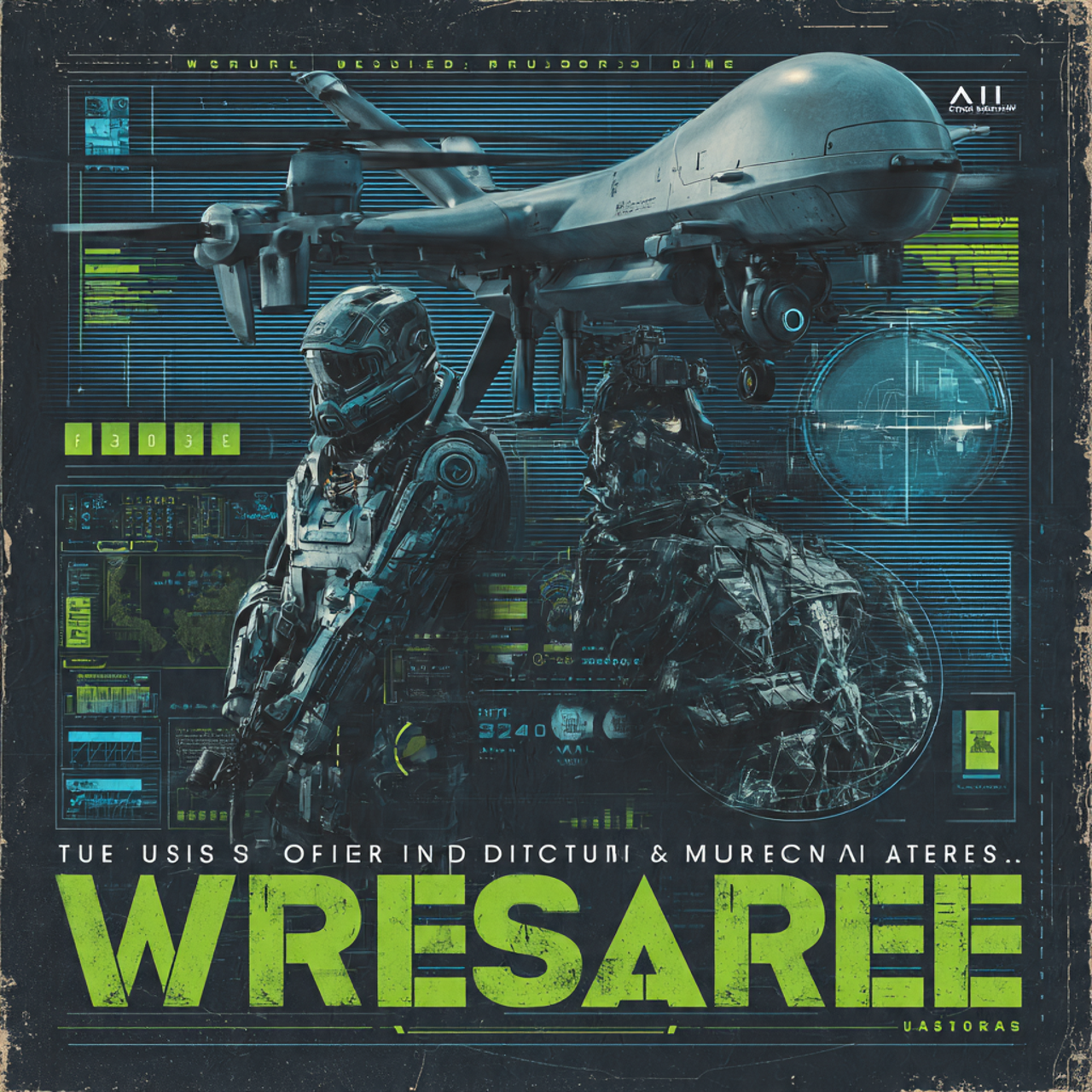
Modern warfare has evolved far beyond traditional battlefields. Today, drones and artificial intelligence (AI) are reshaping how conflicts are fought, monitored, and managed. From surveillance and precision strikes to autonomous decision-making, these technologies have revolutionized military strategy while raising ethical, legal, and geopolitical questions.
This article explores how drones and AI are used in modern warfare, their advantages and risks, and their implications for the future of global security.
1. The Rise of Drones in Warfare
Types of Military Drones
Drones, also known as Unmanned Aerial Vehicles (UAVs), have become indispensable in modern conflicts. They range from:
-
Reconnaissance drones: Equipped with cameras and sensors for real-time intelligence
-
Combat drones: Capable of precision strikes without risking human pilots
-
Loitering drones (“suicide drones”): Designed to hover over a target area before engaging
These systems provide armies with flexibility and reduced personnel risk.
Key Uses
-
Surveillance and Reconnaissance
-
Monitor enemy movements
-
Map battlefields in real time
-
Track supply routes and troop deployments
-
-
Targeted Strikes
-
Precision attacks on high-value targets
-
Reduced collateral damage compared to traditional airstrikes
-
Ability to operate in high-risk or inaccessible areas
-
-
Logistics and Supply
-
Deliver critical supplies to frontline troops
-
Evacuate casualties in dangerous zones
-
Case Study: Ukraine Conflict
During the Russia–Ukraine war, drones have been used extensively:
-
Ukrainian forces use small drones to target armored vehicles
-
Russian forces employ surveillance drones to monitor Ukrainian positions
-
Both sides deploy drones for reconnaissance, artillery guidance, and battlefield intelligence
2. Artificial Intelligence in Modern Warfare
AI is transforming decision-making, targeting, and logistics in military operations. Key applications include:
1. Intelligence and Surveillance
-
AI algorithms analyze massive datasets from satellites, drones, and sensors
-
Real-time pattern recognition helps identify enemy movements or potential threats
-
Predictive analytics aid in strategic planning
2. Autonomous Weapon Systems
-
AI can guide missiles, drones, or robotic ground units to specific targets
-
Reduces human reaction time in high-speed combat scenarios
-
Raises ethical concerns about machines making life-and-death decisions
3. Cybersecurity and Electronic Warfare
-
AI detects and responds to cyberattacks on military infrastructure
-
Predicts vulnerabilities in enemy networks
-
Coordinates electronic countermeasures during battles
4. Logistics and Resource Management
-
AI optimizes supply chains for troops
-
Predicts maintenance needs for vehicles and equipment
-
Enhances battlefield efficiency and reduces human error
3. Benefits of Drones and AI in Warfare
-
Reduced Risk to Human Life
-
Fewer soldiers are exposed to direct combat
-
Remote operations lower casualty rates
-
-
Precision and Efficiency
-
Drones and AI enable highly accurate strikes
-
Minimized collateral damage compared to conventional warfare
-
-
Real-Time Intelligence
-
Instant access to battlefield data
-
Improved situational awareness and strategic decision-making
-
-
Cost-Effectiveness
-
Drones are cheaper to deploy than manned aircraft
-
AI can optimize resource allocation, reducing waste
-
4. Challenges and Risks
1. Ethical and Legal Concerns
-
Who is responsible for civilian casualties from autonomous weapons?
-
How can AI ensure compliance with international humanitarian law?
-
The risk of drones being used for extrajudicial killings
2. Escalation of Conflicts
-
AI-driven systems may react faster than human commanders, increasing the risk of unintended escalation
-
Autonomous weapons could trigger rapid retaliatory strikes in tense scenarios
3. Vulnerability to Hacking and Countermeasures
-
Drones and AI systems rely on secure networks
-
Enemy cyberattacks could take control of systems or disrupt operations
-
Electronic warfare measures can neutralize drone effectiveness
4. Psychological Impact
-
Drone strikes create fear and trauma for civilian populations
-
Remote warfare may desensitize operators to human suffering
5. Case Studies in Modern Conflicts
Russia–Ukraine War
-
Drones for reconnaissance, artillery targeting, and supply missions
-
AI-assisted intelligence analysis for battlefield operations
-
Small, commercially available drones used effectively by Ukrainian forces for sabotage
Middle East Conflicts
-
The US and allies have used combat drones for targeted strikes in Iraq, Syria, and Afghanistan
-
AI-assisted surveillance systems help monitor insurgent movements
Asia-Pacific Tensions
-
China and India are developing AI-guided autonomous defense systems
-
Drone swarms and AI-enabled missile defense are being tested in border security
6. The Future of Warfare with Drones and AI
-
Swarm Technology
-
Multiple drones coordinating autonomously to overwhelm defenses
-
AI ensures rapid, adaptive responses to threats
-
-
Fully Autonomous Combat Systems
-
Machines capable of independent decision-making in combat
-
Raises profound ethical and legal debates
-
-
Integration with Human Forces
-
AI acts as a force multiplier for human commanders
-
Hybrid strategies combining AI, drones, and traditional forces
-
-
Cyber-Physical Warfare
-
Integration of AI in cyber and physical battlefields
-
Future conflicts may combine drone strikes with cyberattacks and electronic warfare
-
7. Global Concerns and Regulation
International experts stress the need for:
-
Treaties regulating autonomous weapons and drone warfare
-
Ethical guidelines for AI in military operations
-
Transparency in deployment to prevent accidental escalation
-
Global cooperation to prevent misuse by state and non-state actors
The UN and other international organizations are exploring frameworks to balance technological innovation with humanitarian responsibility.
8. Conclusion
Drones and AI are transforming modern warfare, offering unprecedented capabilities in surveillance, precision strikes, and battlefield management. However, these technologies also raise ethical, legal, and strategic challenges that the international community must address.
As conflicts evolve, understanding the role of drones and AI is crucial for:
-
Policymakers and military strategists
-
Civilians affected by modern warfare
-
Global citizens seeking to comprehend the future of conflict
While drones and AI can reduce risks to soldiers and increase operational efficiency, they also highlight the urgent need for ethical guidelines and international oversight to prevent unintended consequences in the wars of tomorrow.